-
Story Writing Guidelines
Craft a literal story with
creativity and depth.
You have full freedom—develop engaging paragraphs, incorporate dialogue,
and experiment with narrative techniques such as
prolepsis (flash-forward) or analepsis (flashback).
Use figures of speech to enrich your writing, and employ
descriptive language to create vivid imagery that allows
the reader to see, hear, and feel every scene.
Use past tense for a classic, clear story or present tense for a
dramatic, “in-the-moment” feeling
Focus on
character development—give your characters distinct
personalities, desires, and conflicts that drive the story forward.
Ensure your plot is cohesive and compelling, with a clear
beginning, middle, and end. Integrate
quotations or internal thoughts to add depth and realism.
Aim for a minimum of 200 words, maintaining proper
punctuation, grammar, and capitalization throughout. Engage your
reader by balancing narrative pace, descriptive passages, and dialogue.
Remember, a strong story combines vivid settings,
relatable characters, and meaningful events into a
memorable experience.
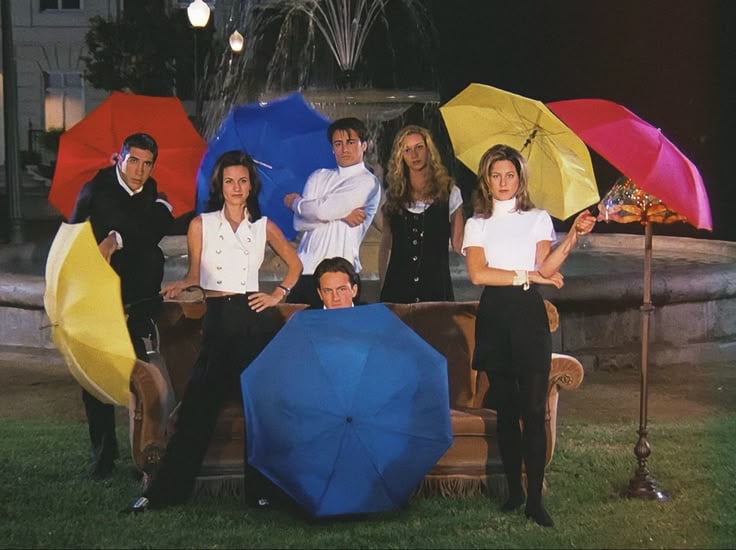
Some examples, click the pictures.